EB-3 guides and Visa Bulletin updates
Plain-language guides for EB-3 Other Workers applicants, updated when the rules or the Visa Bulletin change.
 Guides ·
Who qualifies for EB-3 Other Workers (unskilled) sponsorship?
You may qualify if a U.S. employer offers you a permanent, full-time job that needs less than two years of training or experience, and is willing to sponsor you. No degree is needed, but the wait is long and nothing is guaranteed.
Read article
Guides ·
Who qualifies for EB-3 Other Workers (unskilled) sponsorship?
You may qualify if a U.S. employer offers you a permanent, full-time job that needs less than two years of training or experience, and is willing to sponsor you. No degree is needed, but the wait is long and nothing is guaranteed.
Read article
 Guides ·
PERM labor certification, step by step: what happens and who does what
PERM is the first big stage of an EB-3 case. The employer proves to the U.S. Department of Labor that no qualified U.S. worker was available, then files an I-140 and, later, the green card application. Timing varies and nothing is guaranteed.
Read article
Guides ·
PERM labor certification, step by step: what happens and who does what
PERM is the first big stage of an EB-3 case. The employer proves to the U.S. Department of Labor that no qualified U.S. worker was available, then files an I-140 and, later, the green card application. Timing varies and nothing is guaranteed.
Read article
 Costs ·
Who pays for EB-3? What the employer must cover and what you normally pay
The employer must pay for the PERM labor certification and may not shift that cost to you. Workers normally pay for their own medical exam, visa fees and documents. Being asked to pay PERM or recruitment fees is a red flag.
Read article
Costs ·
Who pays for EB-3? What the employer must cover and what you normally pay
The employer must pay for the PERM labor certification and may not shift that cost to you. Workers normally pay for their own medical exam, visa fees and documents. Being asked to pay PERM or recruitment fees is a red flag.
Read article
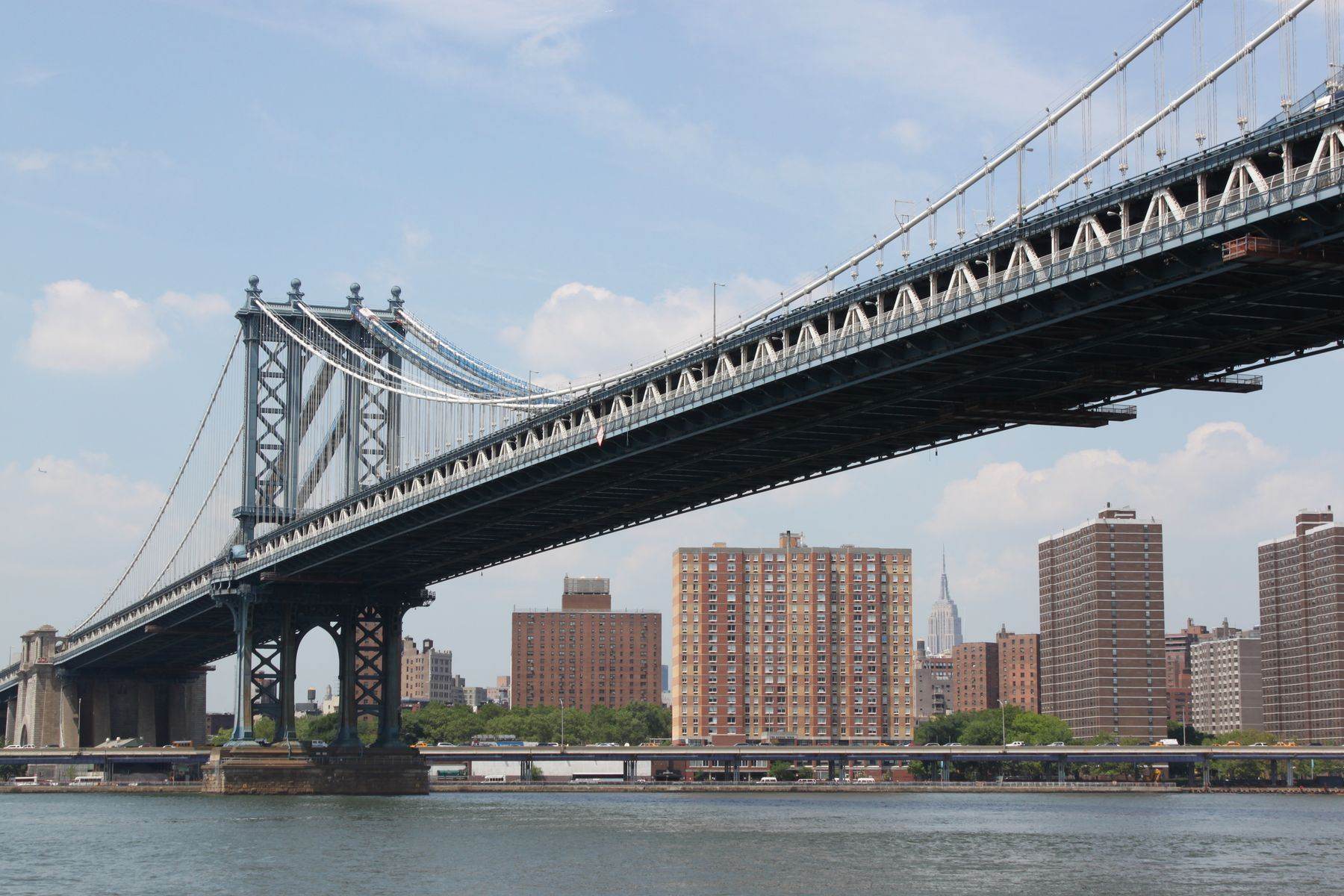 Safety ·
Real EB-3 employer or scam? How to check before you pay anything
A genuine sponsor will give you a written job offer, a company you can verify and an attorney you can contact. No one can sell you a guaranteed visa slot or green card. Here is a practical checklist.
Read article
Safety ·
Real EB-3 employer or scam? How to check before you pay anything
A genuine sponsor will give you a written job offer, a company you can verify and an attorney you can contact. No one can sell you a guaranteed visa slot or green card. Here is a practical checklist.
Read article
 Jobs ·
EB-3 unskilled jobs: typical duties, how wages are set and how to read a listing
EB-3 Other Workers jobs are mostly in food service, hospitality, logistics and manufacturing. The wage must be at least the prevailing wage set by the U.S. Department of Labor, and it varies by state and role. Read every listing for location, duties, wage, schedule and employer verification.
Read article
Guides ·
Can my spouse and children come too? How EB-3 family members are included
Yes, in general. A spouse and unmarried children under 21 can usually be included in your EB-3 case as derivatives, with the same category and priority date. The child must be under 21 and unmarried when the green card is issued. Children born later and spouses married after you become a permanent resident are treated differently, so confirm your situation with an immigration attorney.
Read article
Guides ·
Consular processing or adjustment of status: which route applies to EB-3 workers abroad?
Most EB-3 unskilled workers who live outside the United States use consular processing: after the I-140 is approved and your priority date is current, you complete Form DS-260, civil documents, a medical exam and an immigrant visa interview abroad. Adjustment of status is only for people who are physically in the U.S. and meet strict conditions. No route has a promised timeline.
Read article
Jobs ·
EB-3 unskilled jobs: typical duties, how wages are set and how to read a listing
EB-3 Other Workers jobs are mostly in food service, hospitality, logistics and manufacturing. The wage must be at least the prevailing wage set by the U.S. Department of Labor, and it varies by state and role. Read every listing for location, duties, wage, schedule and employer verification.
Read article
Guides ·
Can my spouse and children come too? How EB-3 family members are included
Yes, in general. A spouse and unmarried children under 21 can usually be included in your EB-3 case as derivatives, with the same category and priority date. The child must be under 21 and unmarried when the green card is issued. Children born later and spouses married after you become a permanent resident are treated differently, so confirm your situation with an immigration attorney.
Read article
Guides ·
Consular processing or adjustment of status: which route applies to EB-3 workers abroad?
Most EB-3 unskilled workers who live outside the United States use consular processing: after the I-140 is approved and your priority date is current, you complete Form DS-260, civil documents, a medical exam and an immigrant visa interview abroad. Adjustment of status is only for people who are physically in the U.S. and meet strict conditions. No route has a promised timeline.
Read article
 Guides ·
The immigrant visa medical exam and interview: what to expect and what to bring
Before an immigrant visa is issued you must have a medical exam with a physician approved by the consulate, then attend an interview with a consular officer. Bring your passport, appointment letter, civil documents and the medical results as instructed. Missing papers, health issues and inconsistent answers are common causes of delay, and answering honestly is essential. Nothing guarantees approval.
Read article
Jobs ·
Living costs by state: how to think about rent, transport and food on an EB-3 wage
A wage that looks good on paper can be tight in an expensive place and comfortable in a cheaper one. Housing is usually the biggest difference between states and cities, then transport, then food. Compare the wage in your written offer with rent and transport near the actual work site, using official wage data and local listings, rather than relying on state averages or on anyone's promise.
Read article
Guides ·
The immigrant visa medical exam and interview: what to expect and what to bring
Before an immigrant visa is issued you must have a medical exam with a physician approved by the consulate, then attend an interview with a consular officer. Bring your passport, appointment letter, civil documents and the medical results as instructed. Missing papers, health issues and inconsistent answers are common causes of delay, and answering honestly is essential. Nothing guarantees approval.
Read article
Jobs ·
Living costs by state: how to think about rent, transport and food on an EB-3 wage
A wage that looks good on paper can be tight in an expensive place and comfortable in a cheaper one. Housing is usually the biggest difference between states and cities, then transport, then food. Compare the wage in your written offer with rent and transport near the actual work site, using official wage data and local listings, rather than relying on state averages or on anyone's promise.
Read article
 Guides ·
Can I change jobs after the green card? The intent-to-work principle and job portability
A permanent resident is not legally bound to the sponsoring employer for life, but an EB-3 case rests on a genuine intention to work for the sponsor. Leaving very soon after arrival can raise questions with USCIS or a consular officer. For adjustment of status cases, INA 204(j) can allow a job change after 180 days in limited situations. This is general information only; speak to an immigration attorney first.
Read article
Process ·
If your EB-3 employer withdraws or goes out of business: what happens and what to do
What happens depends on how far the case has progressed. If the employer withdraws early, the case usually ends. If the I-140 was already approved, the priority date may sometimes be kept, but a new employer generally means a new job offer and new filings. Keep your documents, ask what comes next, and confirm everything with an immigration attorney.
Read article
Guides ·
Can I change jobs after the green card? The intent-to-work principle and job portability
A permanent resident is not legally bound to the sponsoring employer for life, but an EB-3 case rests on a genuine intention to work for the sponsor. Leaving very soon after arrival can raise questions with USCIS or a consular officer. For adjustment of status cases, INA 204(j) can allow a job change after 180 days in limited situations. This is general information only; speak to an immigration attorney first.
Read article
Process ·
If your EB-3 employer withdraws or goes out of business: what happens and what to do
What happens depends on how far the case has progressed. If the employer withdraws early, the case usually ends. If the I-140 was already approved, the priority date may sometimes be kept, but a new employer generally means a new job offer and new filings. Keep your documents, ask what comes next, and confirm everything with an immigration attorney.
Read article
 Preparation ·
English and job training for EB-3 unskilled workers: what you need and how to prepare
There is generally no formal English test for the EB-3 Other Workers green card itself. But you must be able to do the job safely, follow instructions and answer questions at the interview and medical exam. Practise workplace and safety English, learn food-handling basics if relevant, and always answer honestly.
Read article
Preparation ·
English and job training for EB-3 unskilled workers: what you need and how to prepare
There is generally no formal English test for the EB-3 Other Workers green card itself. But you must be able to do the job safely, follow instructions and answer questions at the interview and medical exam. Practise workplace and safety English, learn food-handling basics if relevant, and always answer honestly.
Read article
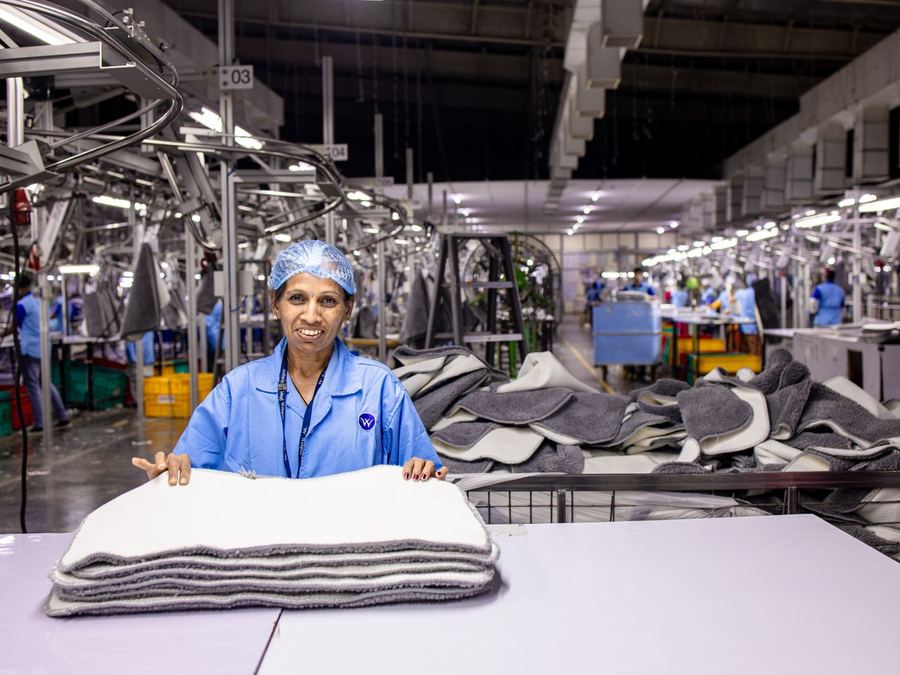 Rights ·
Your rights as a green-card worker in the US: minimum wage, overtime, safety and where to complain
U.S. workers, including green-card holders, are covered by federal rules on minimum wage, overtime (1.5 times pay after 40 hours for most non-exempt jobs), workplace safety and protection from retaliation and discrimination. State rules can be stronger. You can complain to the Department of Labor, OSHA or the EEOC. Benefits vary by employer.
Read article
Process ·
Why EB-3 cases get delayed or refused: common reasons and what you can control
Cases are usually delayed or refused because of employer-side problems (PERM audits, recruitment errors, wrong job requirements, inability to pay), document problems, or issues personal to the worker (past violations, misrepresentation, medical, criminal or public-charge concerns). You control honesty, complete documents and police certificates; the employer's attorney controls the filings.
Read article
Process ·
EB-3 vs EB-2: what changes if your qualifications go up, and what happens to your priority date
EB-2 is for people with an advanced degree or exceptional ability whose job requires it, so an unskilled EB-3 job does not convert automatically. A new PERM is usually needed, and an earlier approved I-140's priority date can generally be kept for a later petition. Confirm the details with an immigration attorney, because nothing is guaranteed.
Read article
Safety ·
Warning signs in recruiter promises: what to question before you pay or travel
Promises of a guaranteed visa, a guaranteed job or date, paying to skip the queue, no employer needed, or working on a tourist visa are red flags. Only a U.S. attorney or accredited representative can give legal advice, and PERM costs are not yours to pay. Check registration, get everything in writing, and report suspected scams.
Read article
After arrival ·
Your first 90 days in the U.S. after arriving on an immigrant visa
After you are admitted on an immigrant visa, your green card is mailed to your U.S. address, usually after you have paid the USCIS immigrant fee. In the first 90 days, check that your Social Security number and card arrive, report address changes on Form AR-11 within 10 days, set up banking and ID, sort out health insurance, and plan to file U.S. taxes on worldwide income. This is general information.
Read article
Rights ·
Your rights as a green-card worker in the US: minimum wage, overtime, safety and where to complain
U.S. workers, including green-card holders, are covered by federal rules on minimum wage, overtime (1.5 times pay after 40 hours for most non-exempt jobs), workplace safety and protection from retaliation and discrimination. State rules can be stronger. You can complain to the Department of Labor, OSHA or the EEOC. Benefits vary by employer.
Read article
Process ·
Why EB-3 cases get delayed or refused: common reasons and what you can control
Cases are usually delayed or refused because of employer-side problems (PERM audits, recruitment errors, wrong job requirements, inability to pay), document problems, or issues personal to the worker (past violations, misrepresentation, medical, criminal or public-charge concerns). You control honesty, complete documents and police certificates; the employer's attorney controls the filings.
Read article
Process ·
EB-3 vs EB-2: what changes if your qualifications go up, and what happens to your priority date
EB-2 is for people with an advanced degree or exceptional ability whose job requires it, so an unskilled EB-3 job does not convert automatically. A new PERM is usually needed, and an earlier approved I-140's priority date can generally be kept for a later petition. Confirm the details with an immigration attorney, because nothing is guaranteed.
Read article
Safety ·
Warning signs in recruiter promises: what to question before you pay or travel
Promises of a guaranteed visa, a guaranteed job or date, paying to skip the queue, no employer needed, or working on a tourist visa are red flags. Only a U.S. attorney or accredited representative can give legal advice, and PERM costs are not yours to pay. Check registration, get everything in writing, and report suspected scams.
Read article
After arrival ·
Your first 90 days in the U.S. after arriving on an immigrant visa
After you are admitted on an immigrant visa, your green card is mailed to your U.S. address, usually after you have paid the USCIS immigrant fee. In the first 90 days, check that your Social Security number and card arrive, report address changes on Form AR-11 within 10 days, set up banking and ID, sort out health insurance, and plan to file U.S. taxes on worldwide income. This is general information.
Read article
 Visa Bulletin ·
October 2026 Visa Bulletin: what it means for EB-3 Other Workers
The worldwide final action date for EB-3 Other Workers moved back three months to January 1, 2022. Here is what changed and what it means if you were born in Taiwan, Hong Kong or mainland China.
Read article
Visa Bulletin ·
October 2026 Visa Bulletin: what it means for EB-3 Other Workers
The worldwide final action date for EB-3 Other Workers moved back three months to January 1, 2022. Here is what changed and what it means if you were born in Taiwan, Hong Kong or mainland China.
Read article
 Costs ·
EB-3 unskilled costs: what the employer pays and what you pay
U.S. law requires the employer to pay for PERM labor certification. Here is the full split of costs, and the warning signs that an agency is charging you for something it should not.
Read article
Guides ·
Born in Taiwan or Hong Kong? How country of birth affects your EB-3 wait
Green card numbers are counted by country of birth, not passport or residence. Taiwan- and Hong Kong-born applicants use the faster worldwide dates, and mainland-born applicants may be able to use a spouse's birthplace.
Read article
Costs ·
EB-3 unskilled costs: what the employer pays and what you pay
U.S. law requires the employer to pay for PERM labor certification. Here is the full split of costs, and the warning signs that an agency is charging you for something it should not.
Read article
Guides ·
Born in Taiwan or Hong Kong? How country of birth affects your EB-3 wait
Green card numbers are counted by country of birth, not passport or residence. Taiwan- and Hong Kong-born applicants use the faster worldwide dates, and mainland-born applicants may be able to use a spouse's birthplace.
Read article
Could EB-3 work for your family?
Start with a free two-minute eligibility check. A recruitment screener replies within 1 working day.